What is AI? Breaking Down Artificial Intelligence for Everyone
Artificial Intelligence (AI) has become a buzzword in technology and everyday life. But what exactly is AI, and how does it impact our daily lives? In this article, we will break down AI in simple terms, explain how it works, explore its different types, applications, challenges, and the future of this transformative technology.
1. Understanding AI
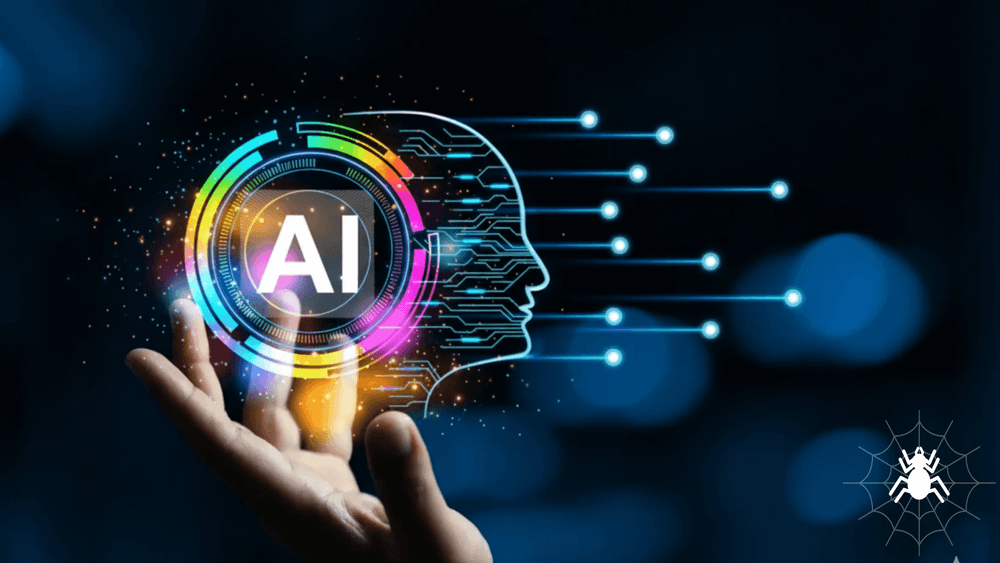
Artificial Intelligence refers to the simulation of human intelligence in machines that are programmed to think, learn, and make decisions like humans. AI allows machines to perform tasks that usually require human intelligence, such as recognizing speech, understanding language, making predictions, and problem-solving.
The Core Idea of AI
The main goal of AI is to create systems that can perform intelligent tasks autonomously or assist humans in making better decisions. AI systems process data, learn from it, and make decisions or predictions without being explicitly programmed for every specific scenario.
2. How AI Works
AI works through the combination of data, algorithms, and computing power. Here is a simplified breakdown:
Data Collection
AI systems require large amounts of data, including images, text, audio, and structured data. This data serves as the foundation for learning patterns.
Machine Learning
Machine Learning (ML) is a subset of AI where algorithms learn from data. ML models analyze patterns in data to make predictions or decisions. Common examples include recommendation systems like Netflix suggestions or spam email filters.
Deep Learning
Deep Learning is a specialized ML method that uses neural networks inspired by the human brain. These networks can process complex data such as images, audio, and natural language. Deep Learning powers technologies like voice assistants and autonomous vehicles.
Natural Language Processing (NLP)
NLP is the AI field that focuses on understanding and generating human language. Applications include chatbots, virtual assistants like Siri or Alexa, and language translation tools.
3. Types of AI
AI can be categorized based on its capabilities and functionality:
Narrow AI (Weak AI)
This AI is designed for a specific task. Examples include facial recognition, recommendation engines, and voice assistants. Narrow AI is the most common type of AI in use today.
General AI (Strong AI)
General AI aims to perform any intellectual task that a human can do. It remains largely theoretical and is not yet achieved.
Superintelligent AI
Superintelligent AI refers to machines that surpass human intelligence. This concept is speculative and often discussed in the context of ethics and future risks.
4. Applications of AI
AI has numerous applications across industries:
- Healthcare: AI aids in diagnosing diseases, drug discovery, and personalized treatment.
- Finance: Fraud detection, algorithmic trading, and credit scoring leverage AI.
- Transportation: Autonomous vehicles and traffic management use AI for efficiency and safety.
- Retail: Recommendation engines, inventory management, and customer service automation.
- Entertainment: AI generates content, personalizes experiences, and powers virtual assistants.
5. Benefits of AI
- Automation of repetitive tasks, saving time and costs.
- Enhanced decision-making through predictive analytics.
- Improved customer experience with personalization.
- Advanced problem-solving capabilities.
6. Challenges and Risks of AI
While AI offers numerous benefits, it also presents challenges:
- Bias: AI systems can inherit biases from training data.
- Job Displacement: Automation may replace certain jobs.
- Security Risks: AI systems can be exploited for malicious purposes.
- Ethical Concerns: Decisions made by AI can have ethical implications.
7. The Future of AI
The future of AI is promising but requires careful consideration. Advances in AI could lead to:
- Smarter healthcare and scientific discoveries.
- Autonomous transportation and smart cities.
- Personalized education and lifelong learning.
- Human-AI collaboration for creative and complex problem-solving.
AI is evolving rapidly, and understanding its basics helps individuals, businesses, and society prepare for its transformative impact.
Conclusion
Artificial Intelligence is no longer just a concept of science fiction. It is a powerful technology reshaping industries and daily life. By understanding how AI works, its types, applications, and potential risks, everyone can make informed decisions and benefit from this technological revolution.